SCADPro: Twilio
Industry-Sponsored SCADPro Project for UX/UI and related Branding
Project Type
SCAD Capstone
Role
Illustration
Intro / Project Description
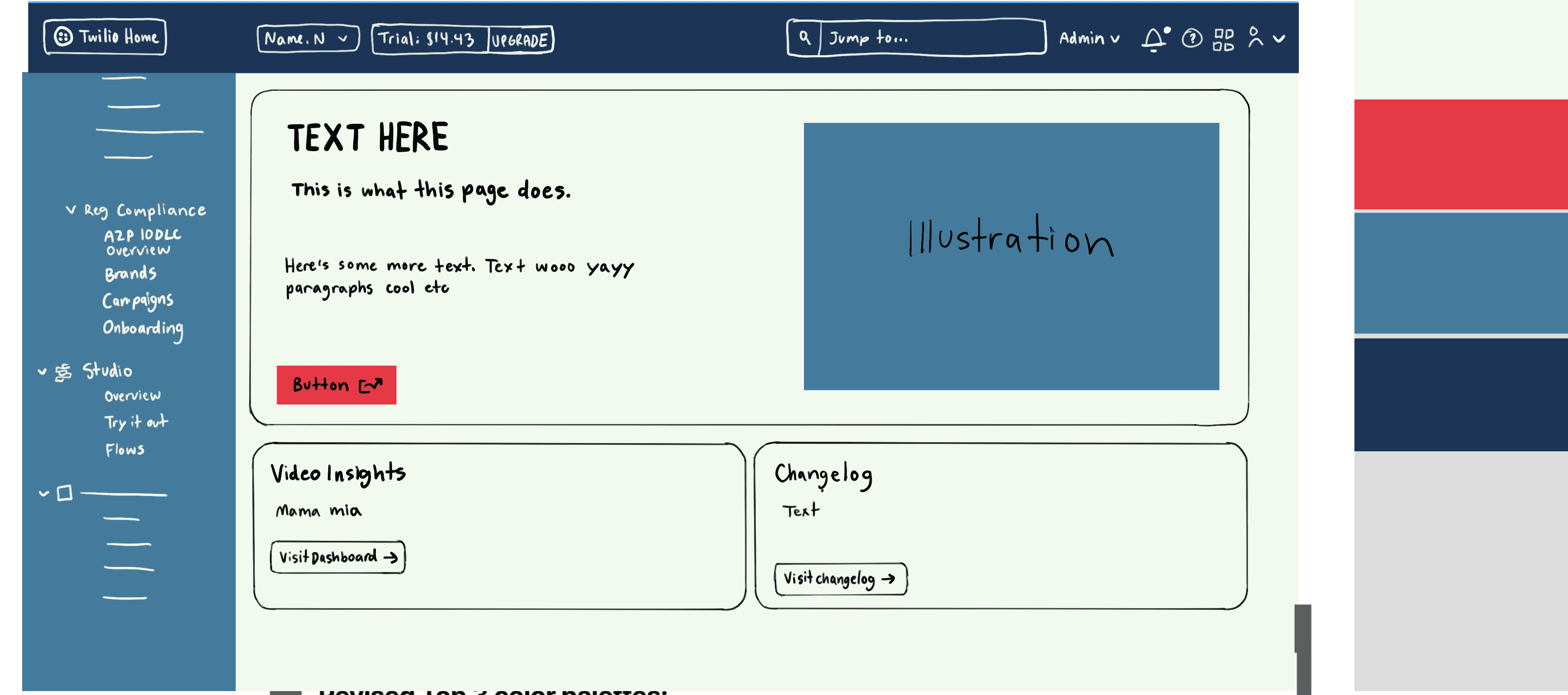
SCADPro: Twilio was an industry-sponsored collaboration through SCADPro, a program that partners student teams with real companies to solve real-world creative and technical challenges. Twilio approached SCADPro looking to refresh their visual identity and user-facing experience. While the product itself was strong, the interface and overall vibe had begun to feel stagnant, and the goal was to modernize it without alienating existing users.
The project functioned like a professional client engagement, with structured roles, defined deliverables, and direct feedback from the Twilio team throughout the process.
Product Focus & Goals
Modernize Twilio’s visual identity and overall tone
Improve approachability for new users while respecting existing workflows
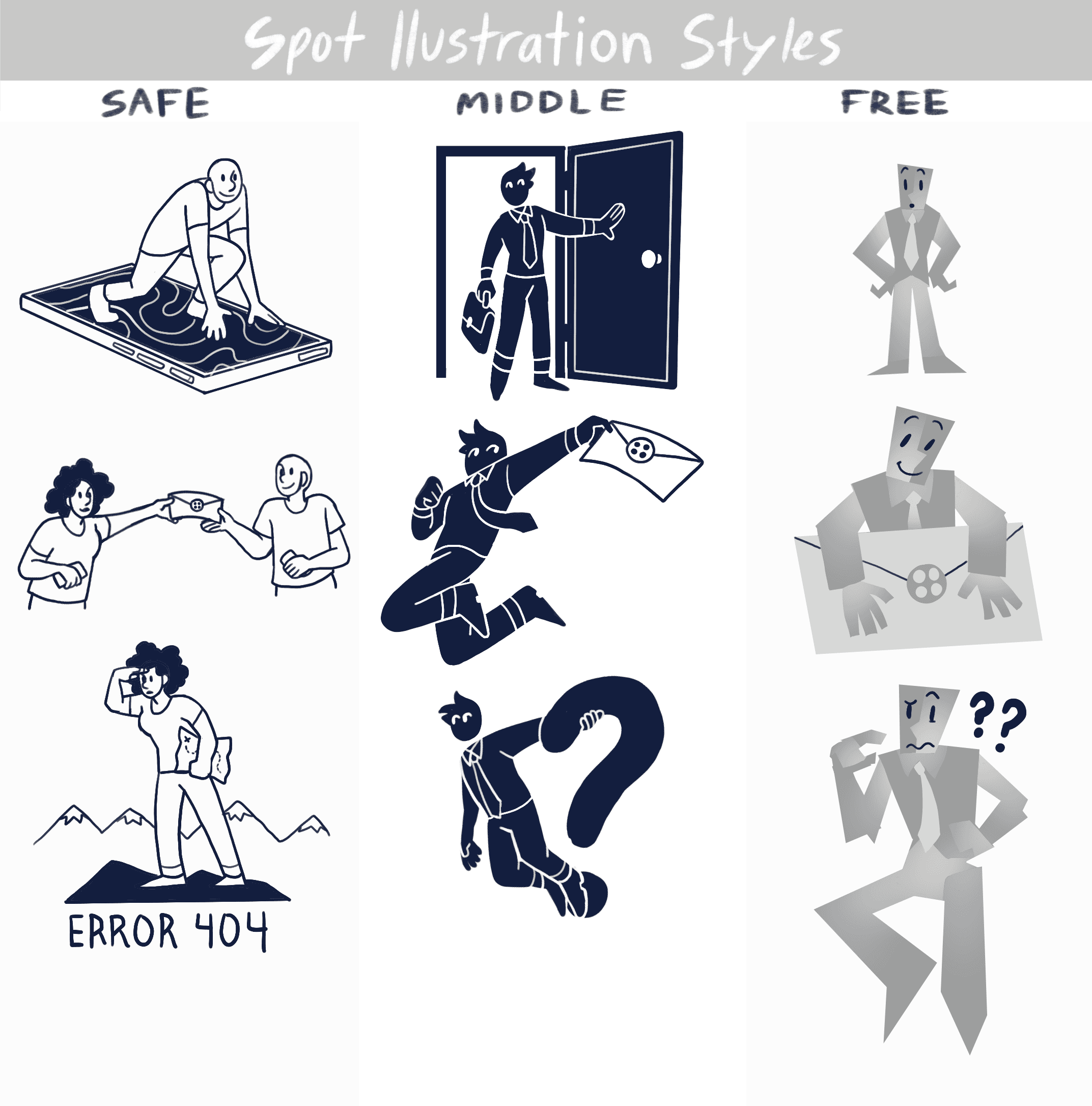
Explore illustration, color, and motion systems that could scale across the platform
Deliver concepts and recommendations that Twilio could realistically apply internally
Rather than a speculative redesign, the focus was on producing work that could meaningfully inform future product decisions.
My Role & Contributions
I worked primarily on the visual and illustrative side of the project. While I’m not a UI/UX specialist, I collaborated closely with illustrators and designers to help define the branding layer that would live alongside the interface.
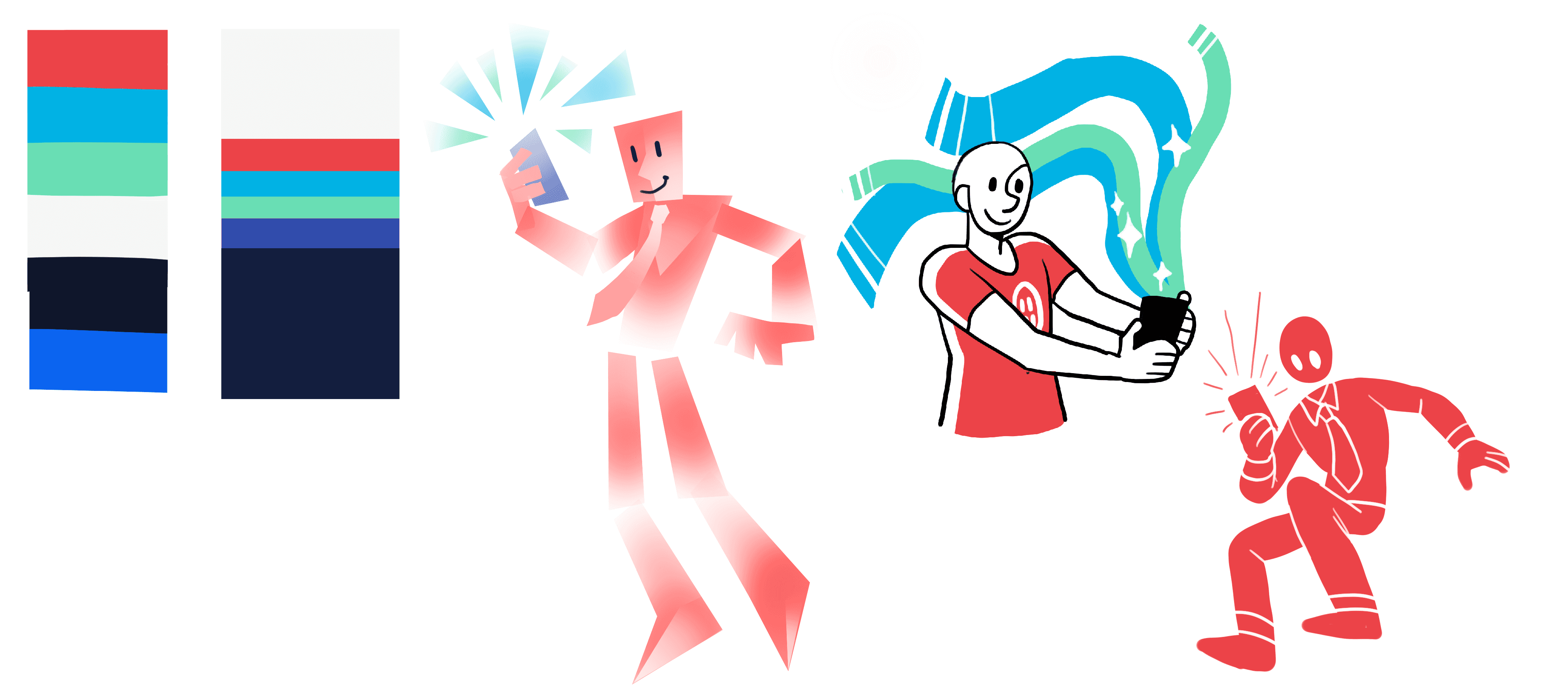
Developing illustration styles aligned with Twilio’s evolving brand direction
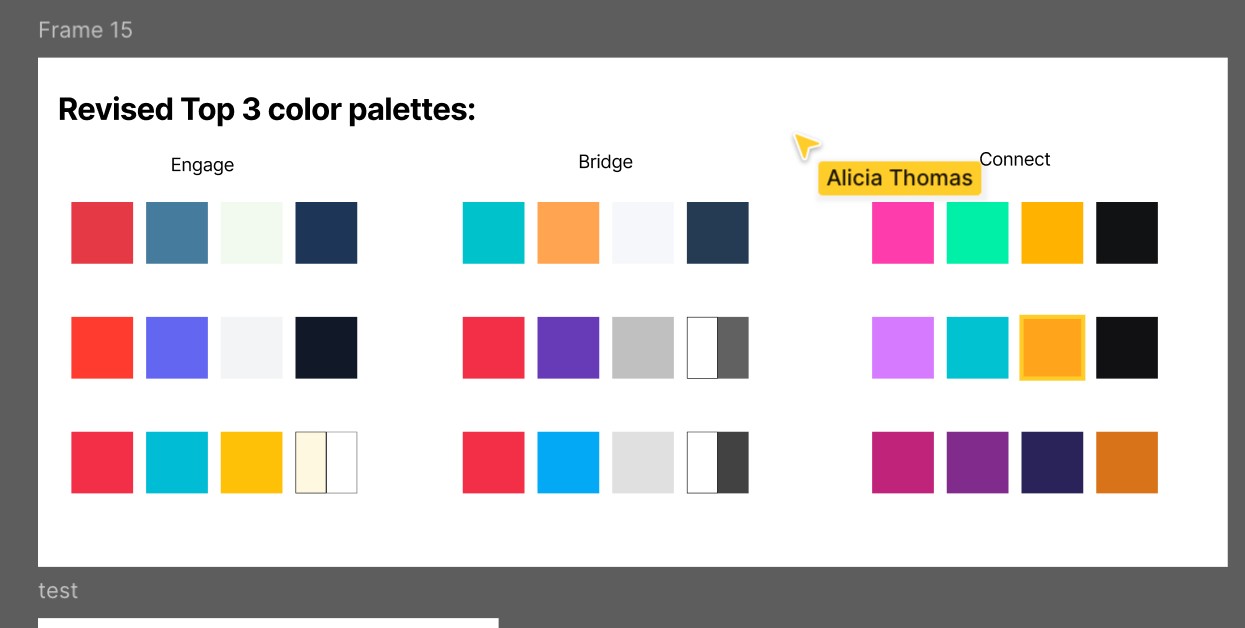
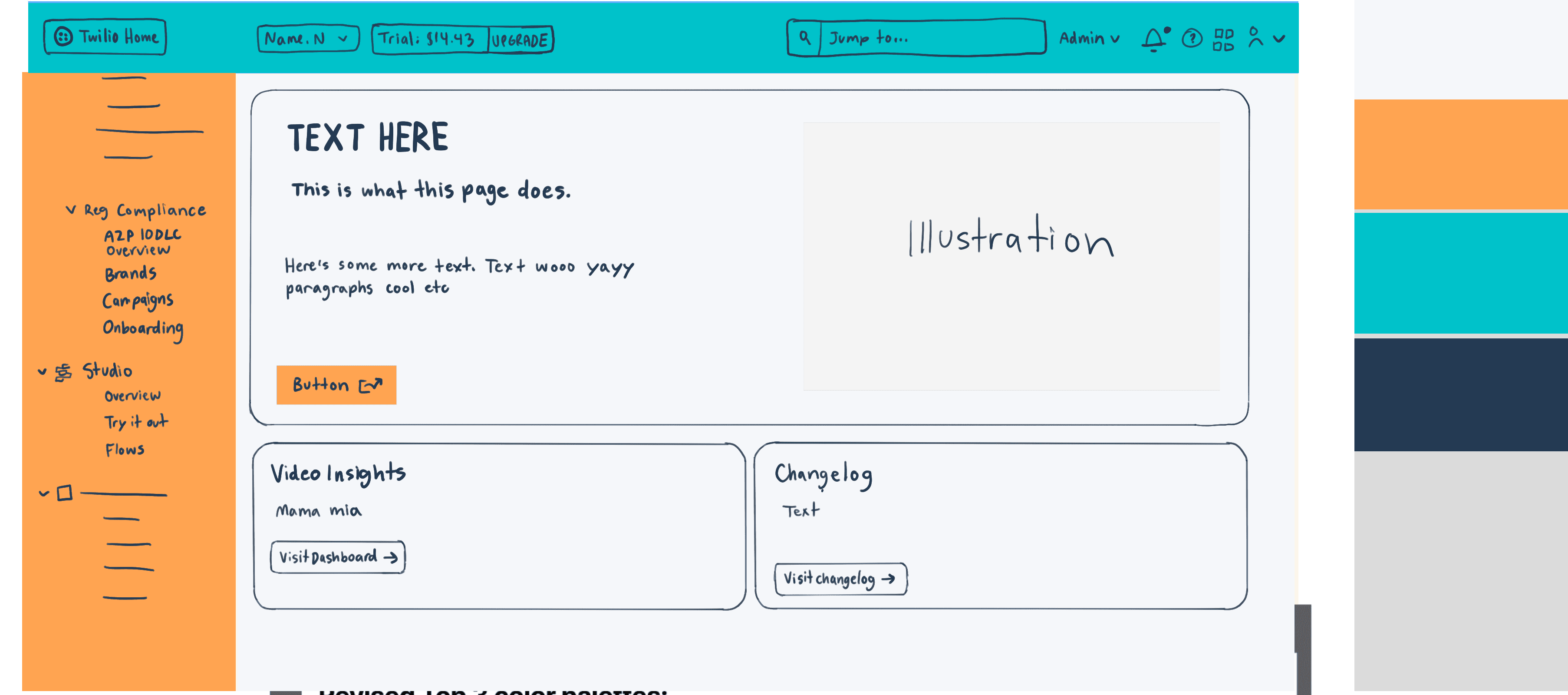
Exploring color palettes and visual language to support a more modern feel
Creating simple motion and animated elements to bring clarity and personality to the designs
Supporting presentation assets used in the final client review
My role was focused on using illustration and motion to add life and clarity to otherwise static UI concepts.
Team Structure
The project was run with a large, somewhat siloed team, similar to a real product organization:
UI/UX designers focused on interaction, usability, and flow
Branding and illustration contributors developing the visual layer
Motion and presentation support to help communicate ideas clearly
Because of the specialization, collaboration often meant trusting other disciplines to deliver their pieces while ensuring visual cohesion across the final work.
Outcome
At the final presentation, members of the Twilio team traveled to Atlanta to review the work in person. They were very pleased with the deliverables and shared that several of the ideas and lessons from the project would be passed along to their internal teams to help guide future development.
Having industry stakeholders engage with the work as something actionable—not purely academic—was a key outcome of the project.

What I Learned
This project taught me what it’s actually like to work on an industry-sponsored team with a lot of specialization. Because the project was very UI-focused and highly siloed, I had to learn how to trust other disciplines to do what they needed to do, even when I wasn’t directly involved in their process. I also learned how illustration and motion can support usability and clarity, not just aesthetics, and how important it is to think about whether an idea can realistically be implemented by an internal team. Most of all, it showed me how to contribute meaningfully to a large project without needing to control every part of it, which is something I’ll carry into future collaborative work.
Other projects
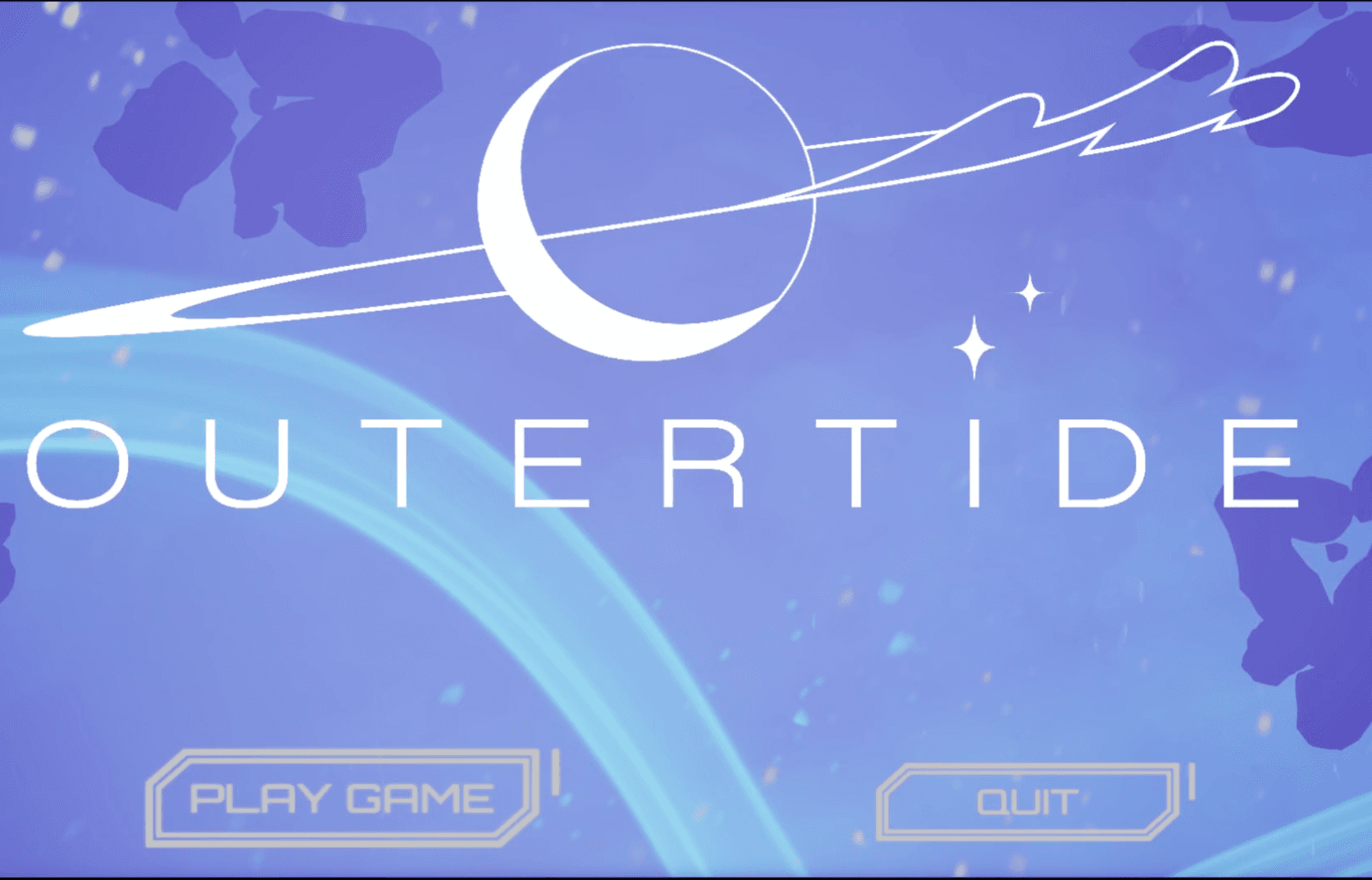
OuterTide
SCAD Capstone 25/26 - First-person exploration game about a space freighter pilot who crash-lands in an asteroid field and must find a way to survive its alien environment, repair their ship, and escape. Made in Unreal Engine 5.5.
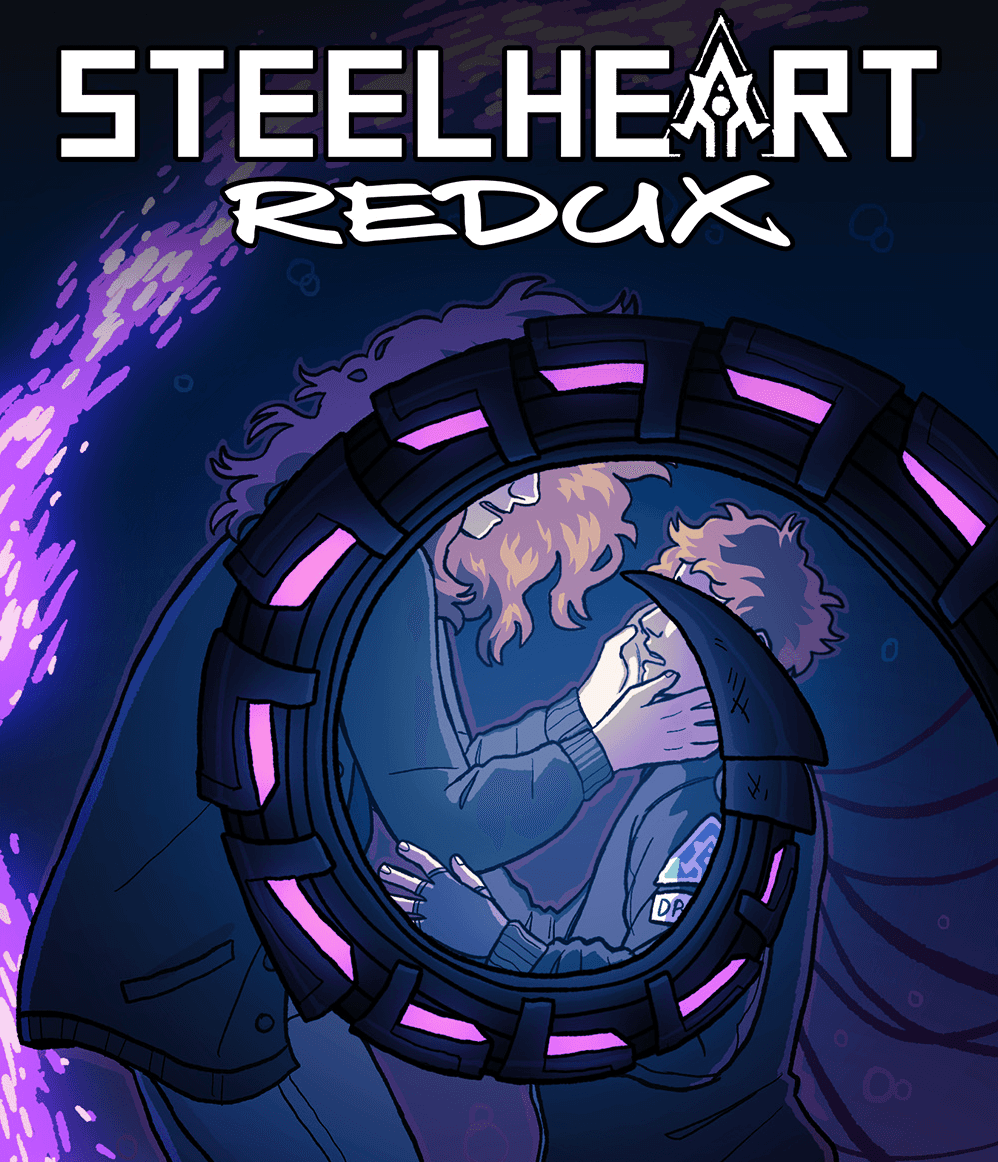
Steelheart Redux
Sci-fi action-adventure webcomic (Currently 200+ pages) about a boy and a sentient robot dragon uncovering the legacy of mechanized war. Independently managed story, worldbuilding, character design, illustration, and serialized production,
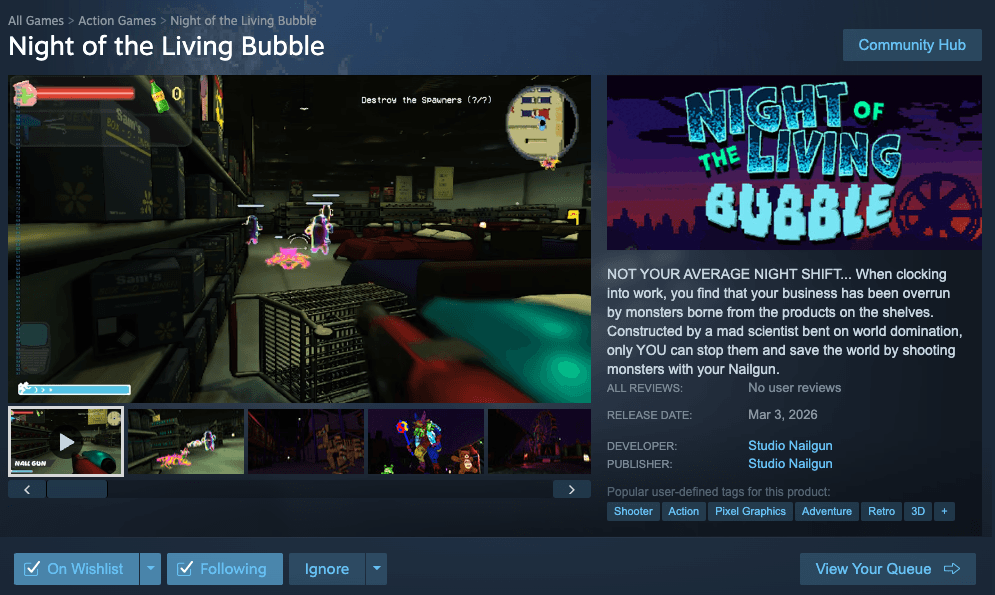
Night of the Living Bubble
Global GameJam 2025 - First-person-shooter following a cashier at a home goods store who must wield a nail gun to defend his workplace and beyond from the machinations of an evil scientists and her beastly creations. Made in Unreal Engine 5.4.
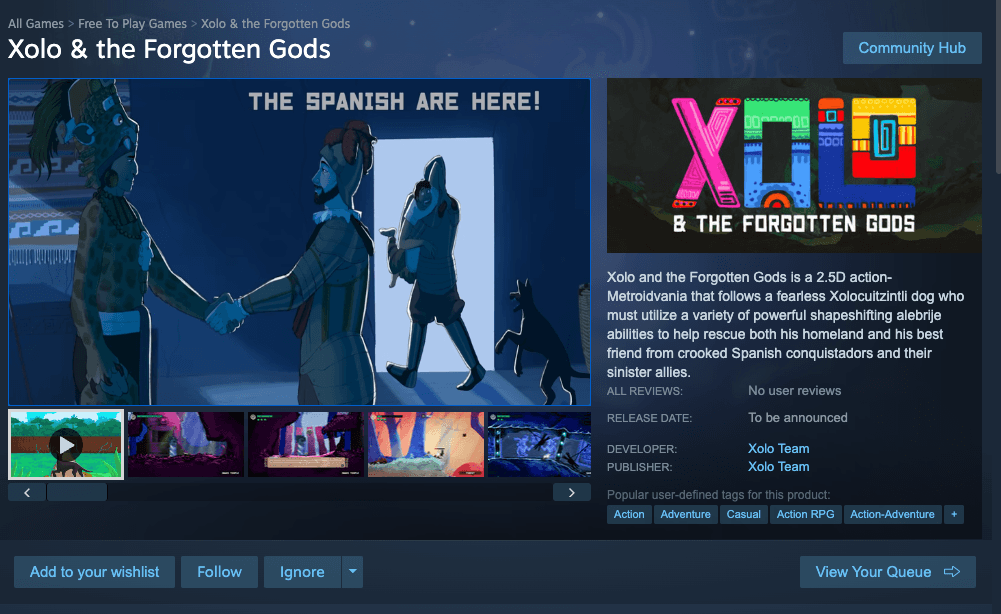
Xolo & The Forgotten Gods
SCAD Capstone 24/25 - A 2.5D Metroidvania rooted in Mesoamerican mythology, featuring shapeshifting powers and hand-crafted environments.
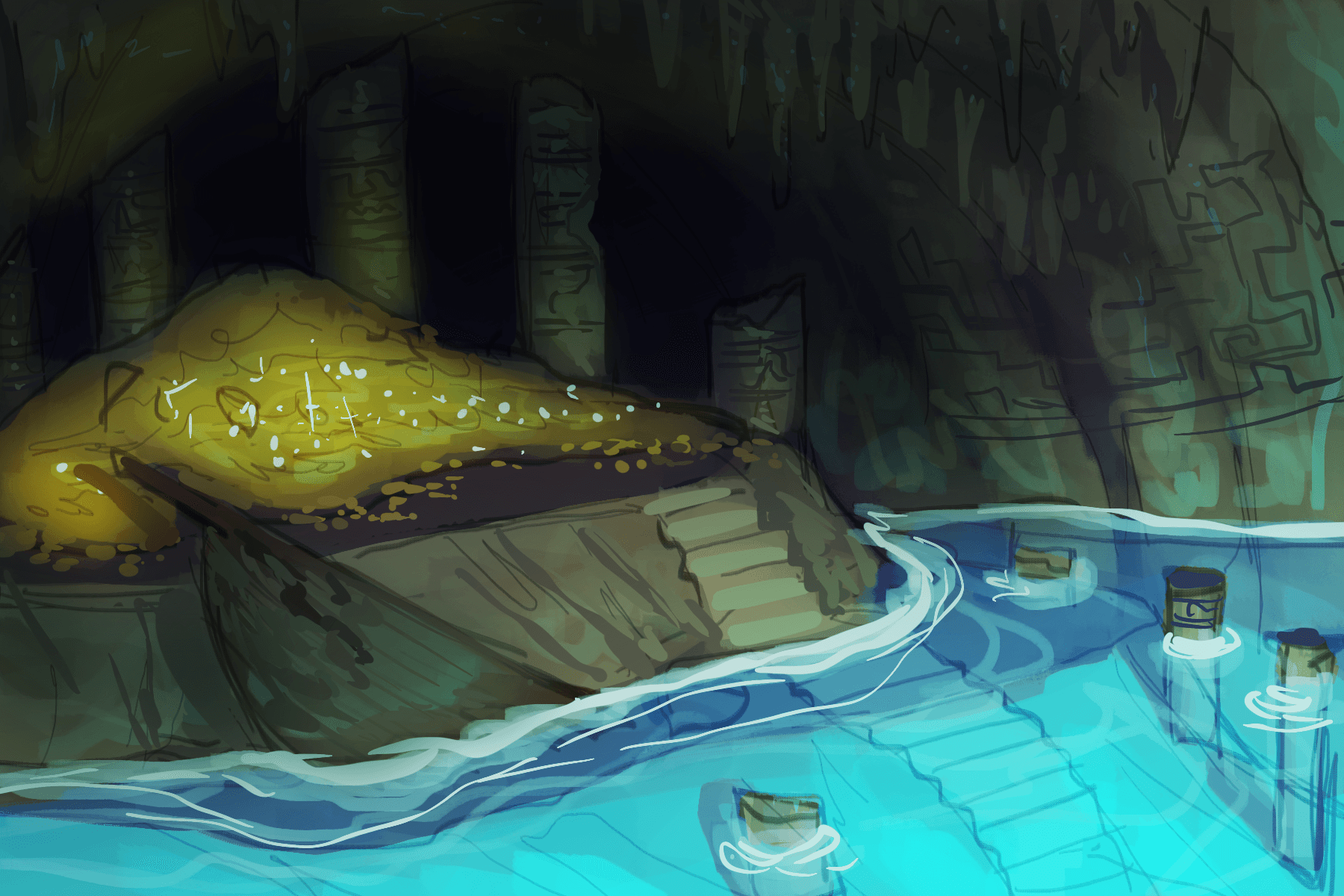
Other Game Jam Projects
Metamorph, Treeversal and Eye Love You from past GGJs
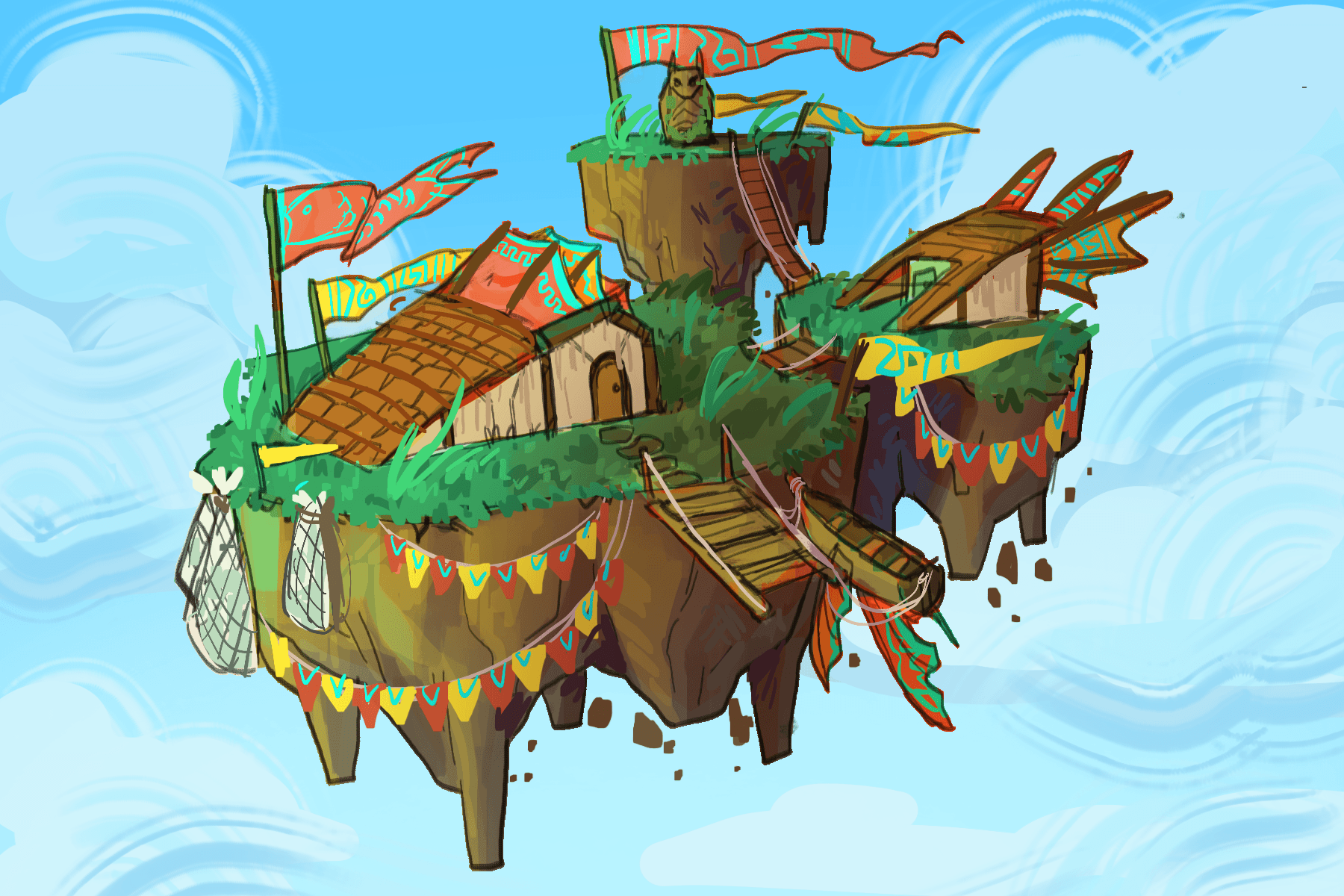
SCAD Classwork
Various SCAD Game Dev Program Classwork
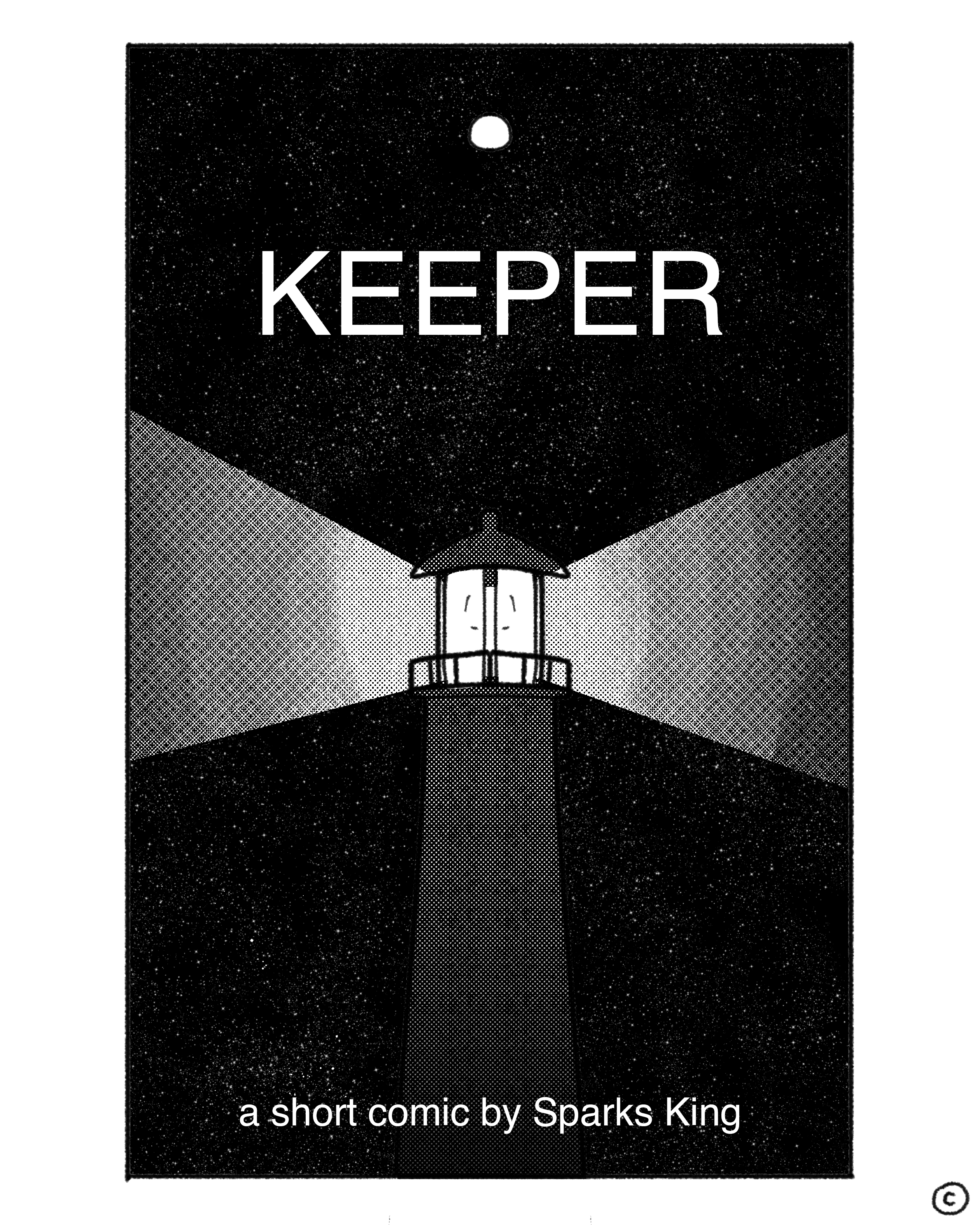
Keeper
Short Narrative Comic · SCAD Generate 24-Hour Comic Challenge: A lone robot encounters an angel and uncovers the truth about a world that has already ended.
SCADPro: Ronald McDonald House
Industry-Sponsored SCADPro Collaboration for Interactive Playspace