Xolo & The Forgotten Gods
SCAD Capstone 24/25 - A 2.5D Metroidvania rooted in Mesoamerican mythology, featuring shapeshifting powers and hand-crafted environments.
Project Type
SCAD Capstone
Role
Concept & Splash Artist
Game, World & Production Process
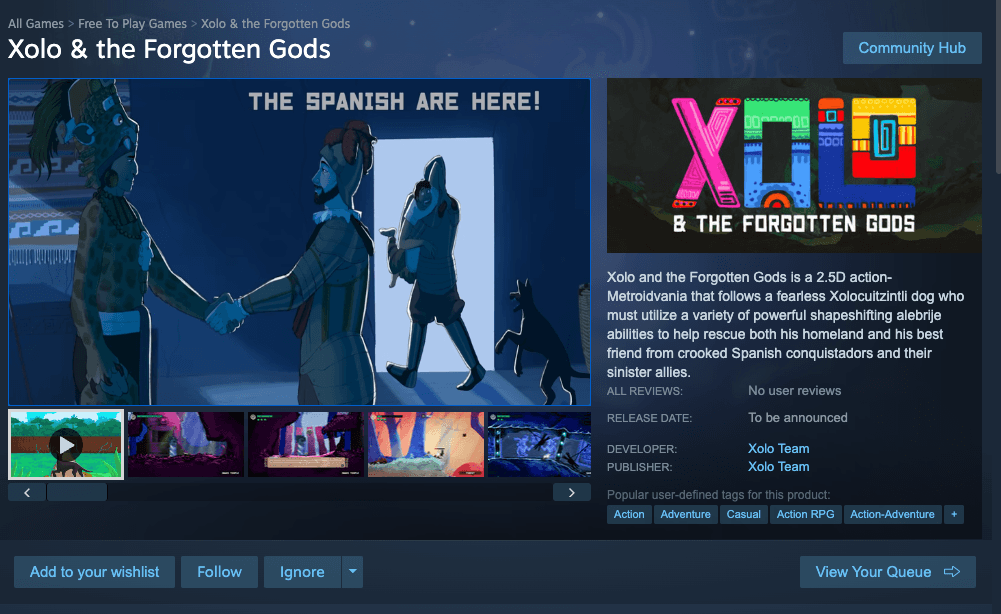
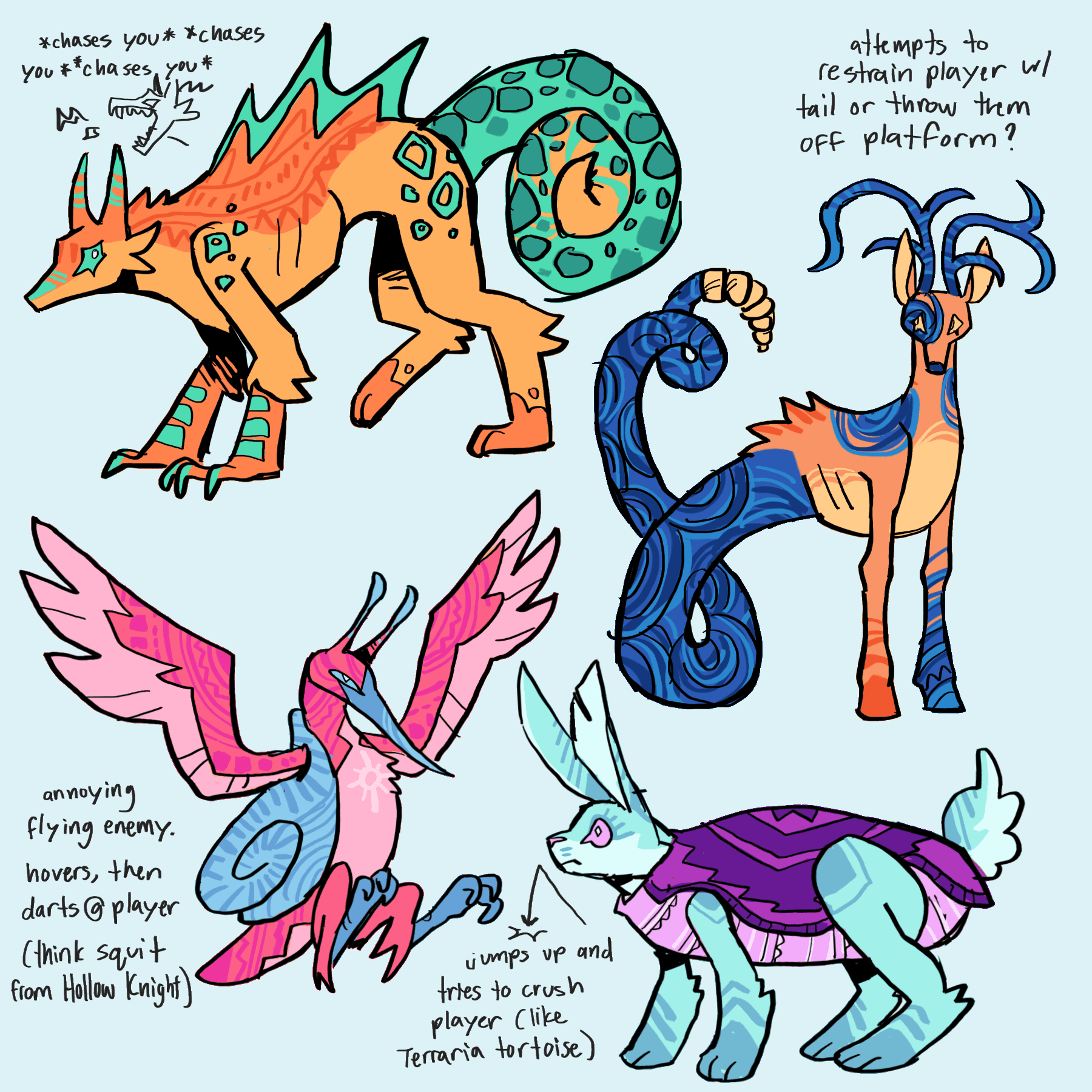
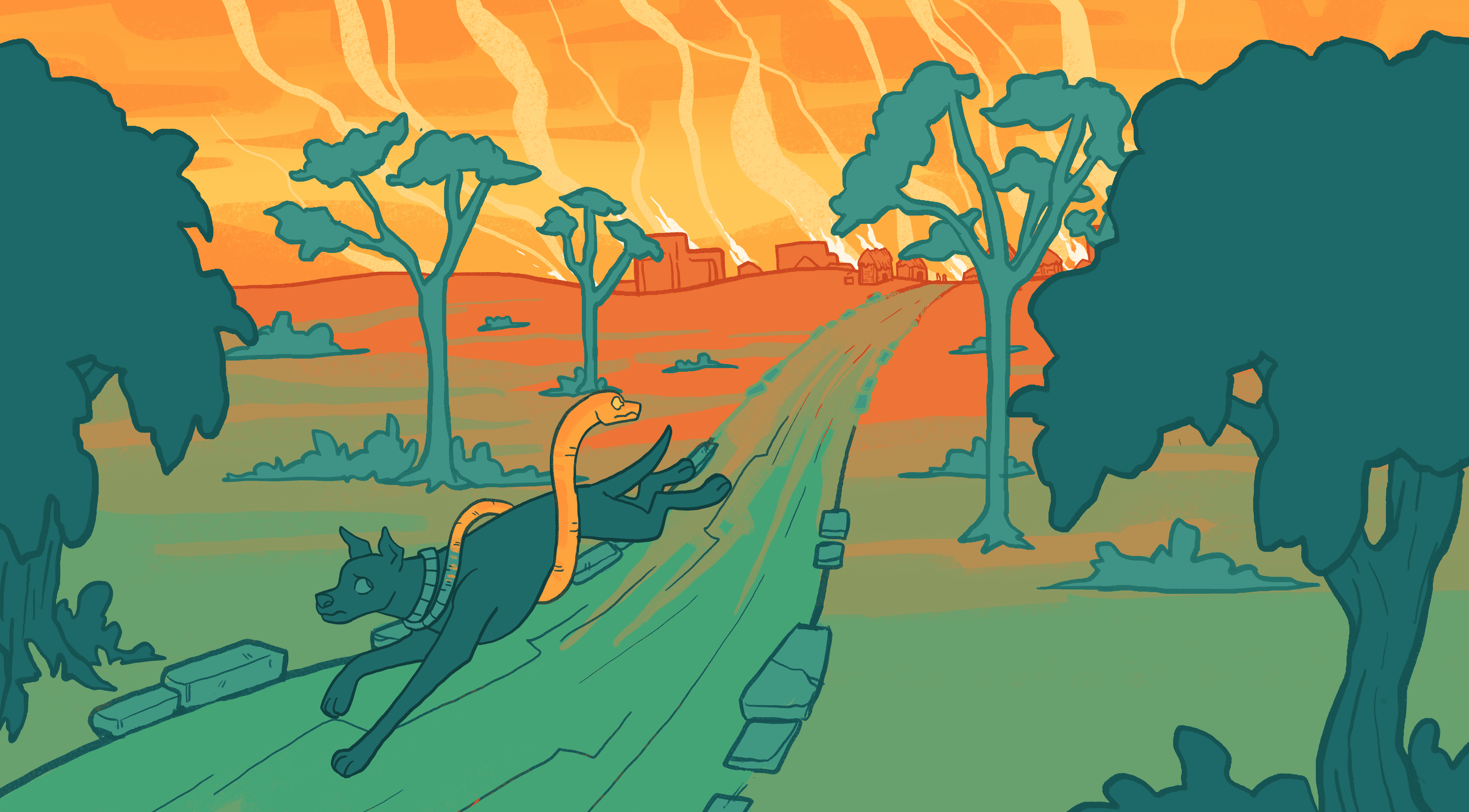
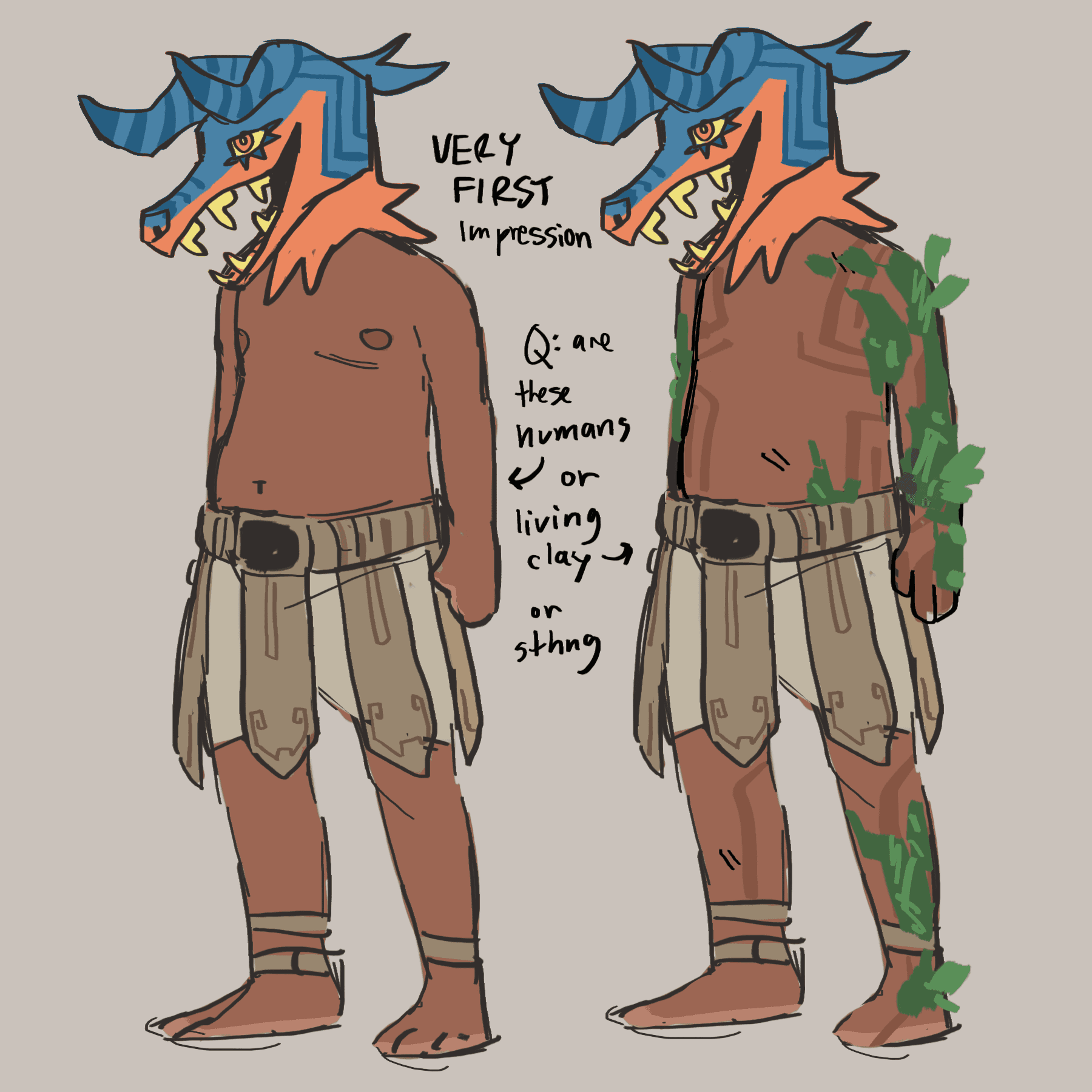
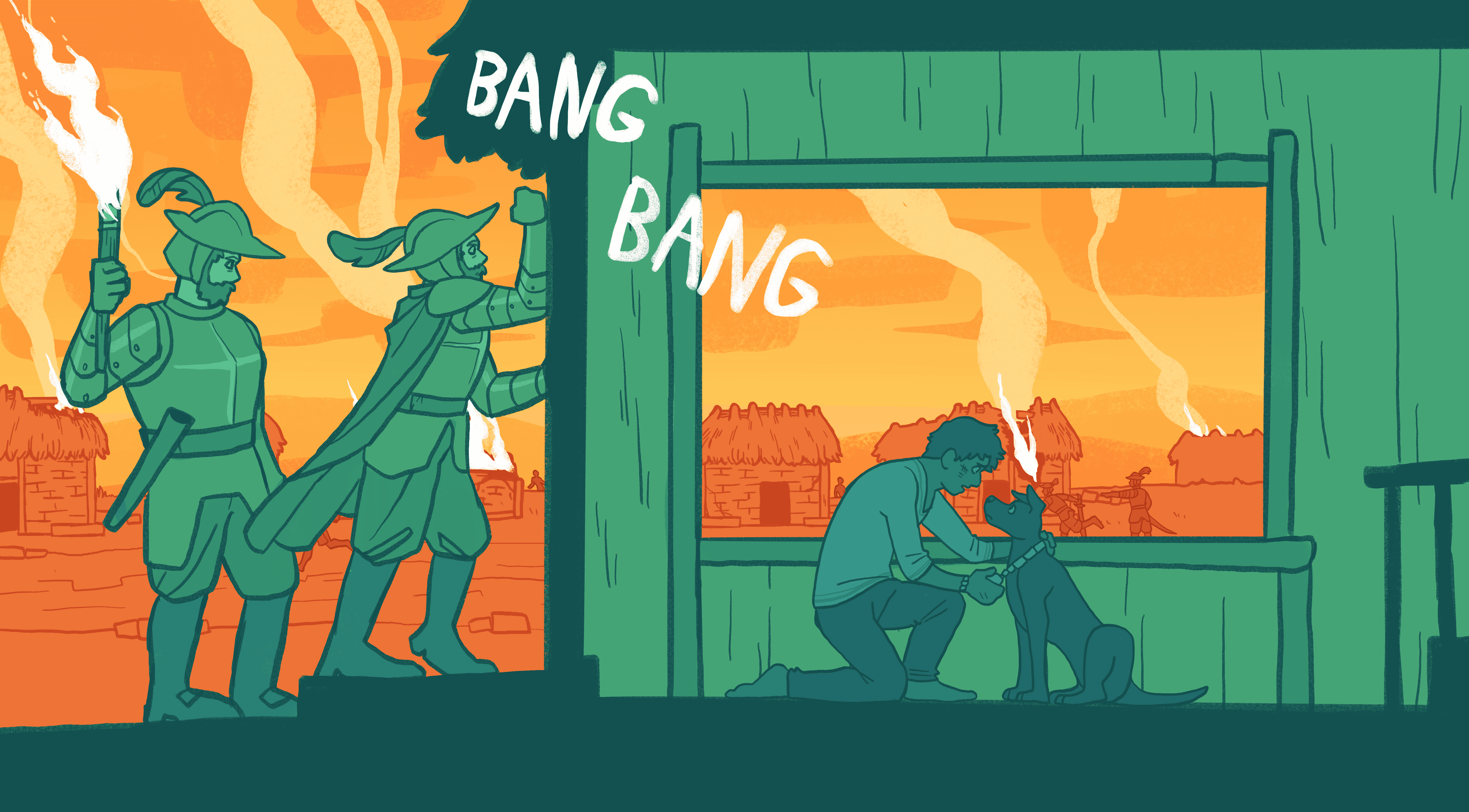
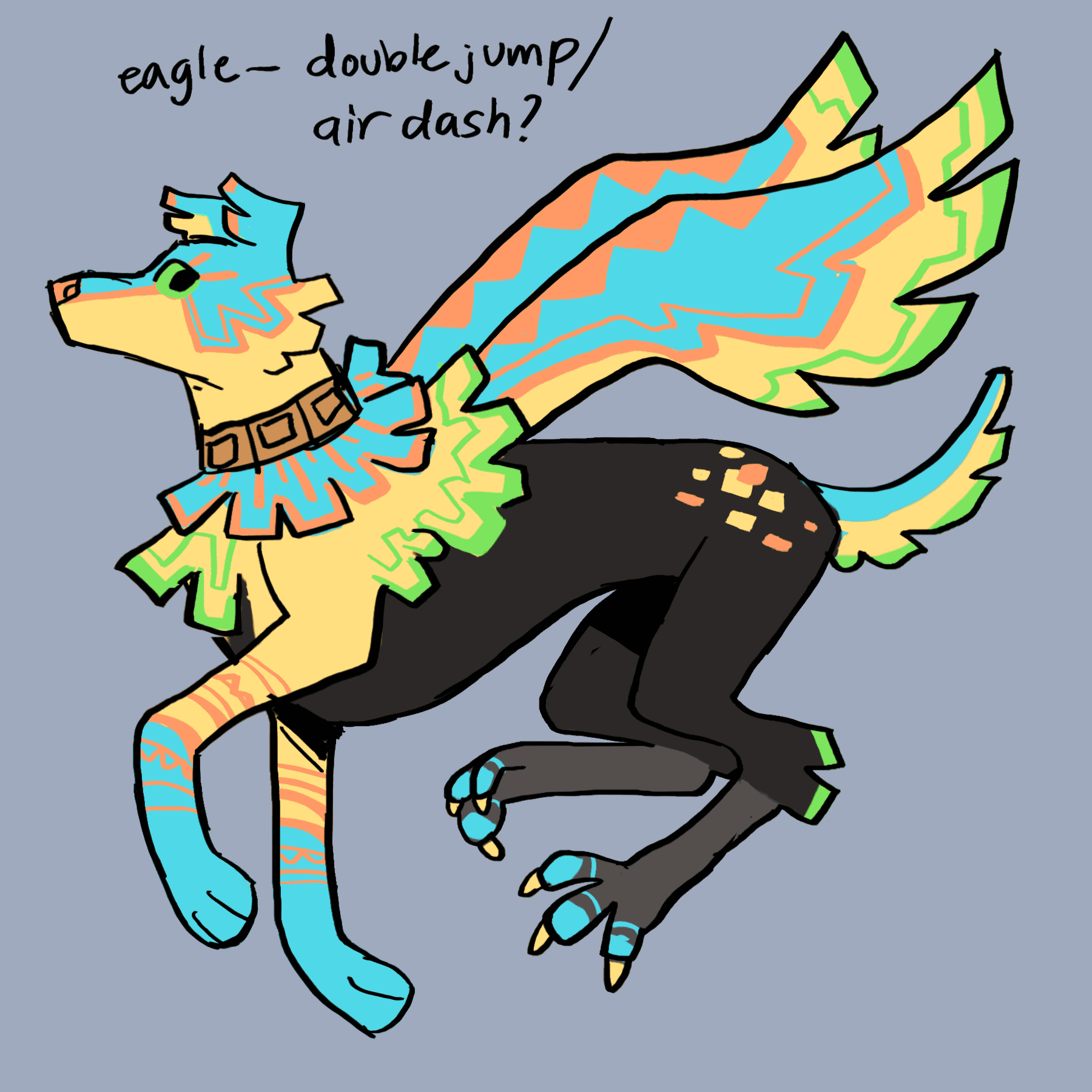
XOLO: The Forgotten Gods is a 2.5D action platformer inspired by Mesoamerican mythology. The game follows a Xoloitzcuintli spirit moving through a world shaped by forgotten gods, environmental decay, and the aftermath of conquest. Exploration, traversal, and combat are all built around atmosphere and a strong sense of place.
The project began as a student game and grew into a commercial title, which meant shifting from exploration and experimentation to building something stable, readable, and playable for real players. A lot of the storytelling lives in the environments themselves—through color, layout, materials, and repeated visual themes—rather than relying heavily on dialogue or cutscenes.
The game is built in Unreal Engine, with environments and assets created using a real-time, production-focused pipeline. Asset work needed to hold up in motion, under lighting, and within gameplay constraints, especially in a side-scrolling format where readability matters. Close collaboration with designers and programmers was essential to make sure the art supported gameplay without getting in the way.
XOLO represents hands-on experience working on a shipped game, balancing visual quality with technical limits, and contributing art that functions cleanly inside a real production environment.
What I Learned.
Working on XOLO was my first experience contributing to a game that moved beyond a school project and into a commercial pipeline. It changed how I think about environment art, collaboration, and working within real production limits.
Some of the biggest takeaways from this project:
How environment art supports gameplay. Visual clarity, scale, and composition directly affect how players read space, navigate levels, and understand objectives.
Designing for constraints. Performance, memory, and engine limitations influenced asset complexity and forced smarter reuse and optimization.
Working inside a real-time engine. Seeing assets in motion, under lighting, and within gameplay loops changed how I approach modeling, texturing, and scene assembly.
Collaboration across disciplines. Close communication with designers and programmers was essential to make sure art supported mechanics and didn’t block development.
Shipping changes your mindset. Working toward a playable, publicly visible build made prioritization, iteration speed, and follow-through much more important than perfection.
XOLO reinforced how environment art, narrative, and gameplay intersect, and solidified my interest in building worlds that feel playable, readable, and emotionally grounded.
Other projects
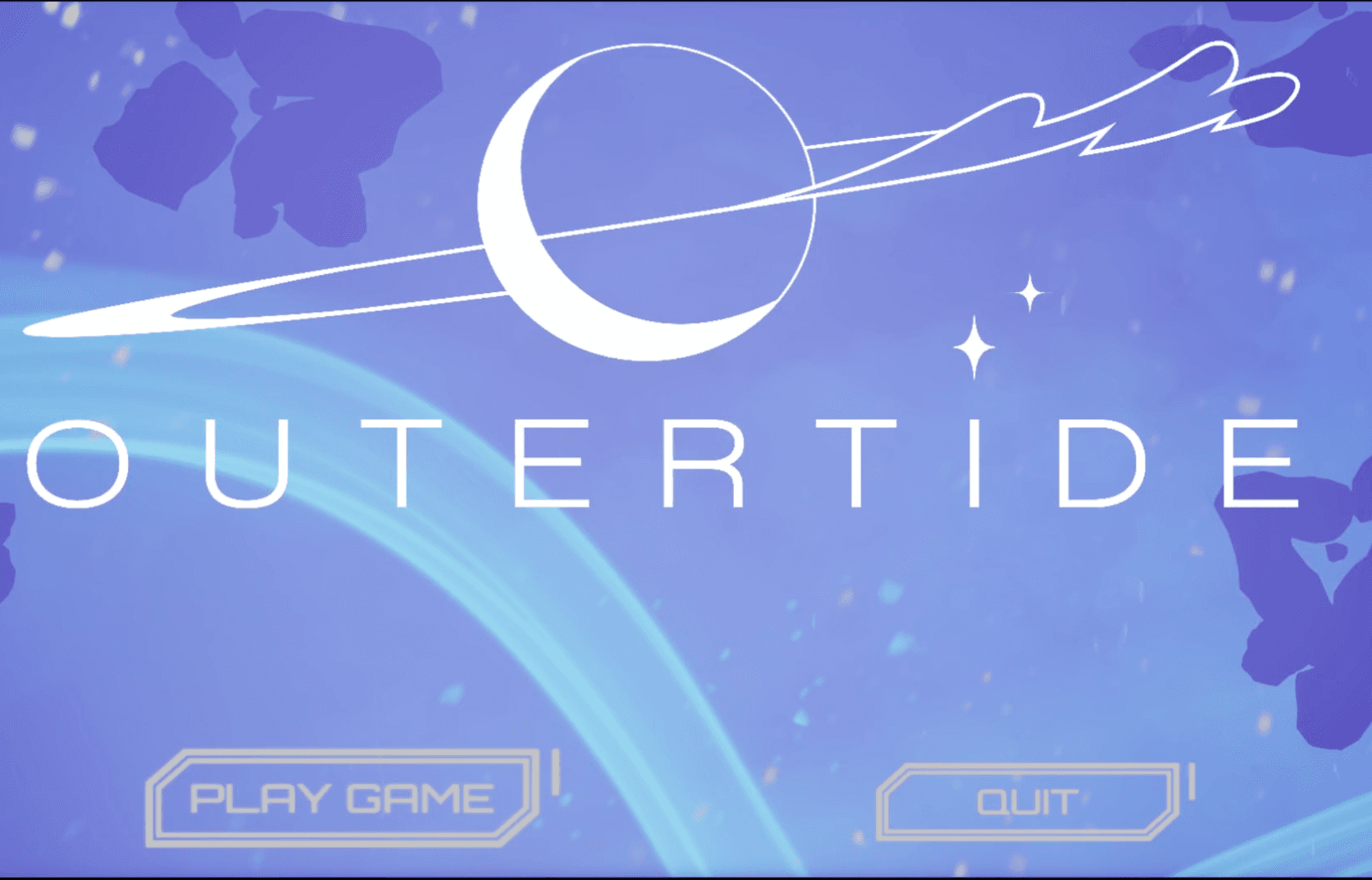
OuterTide
SCAD Capstone 25/26 - First-person exploration game about a space freighter pilot who crash-lands in an asteroid field and must find a way to survive its alien environment, repair their ship, and escape. Made in Unreal Engine 5.5.
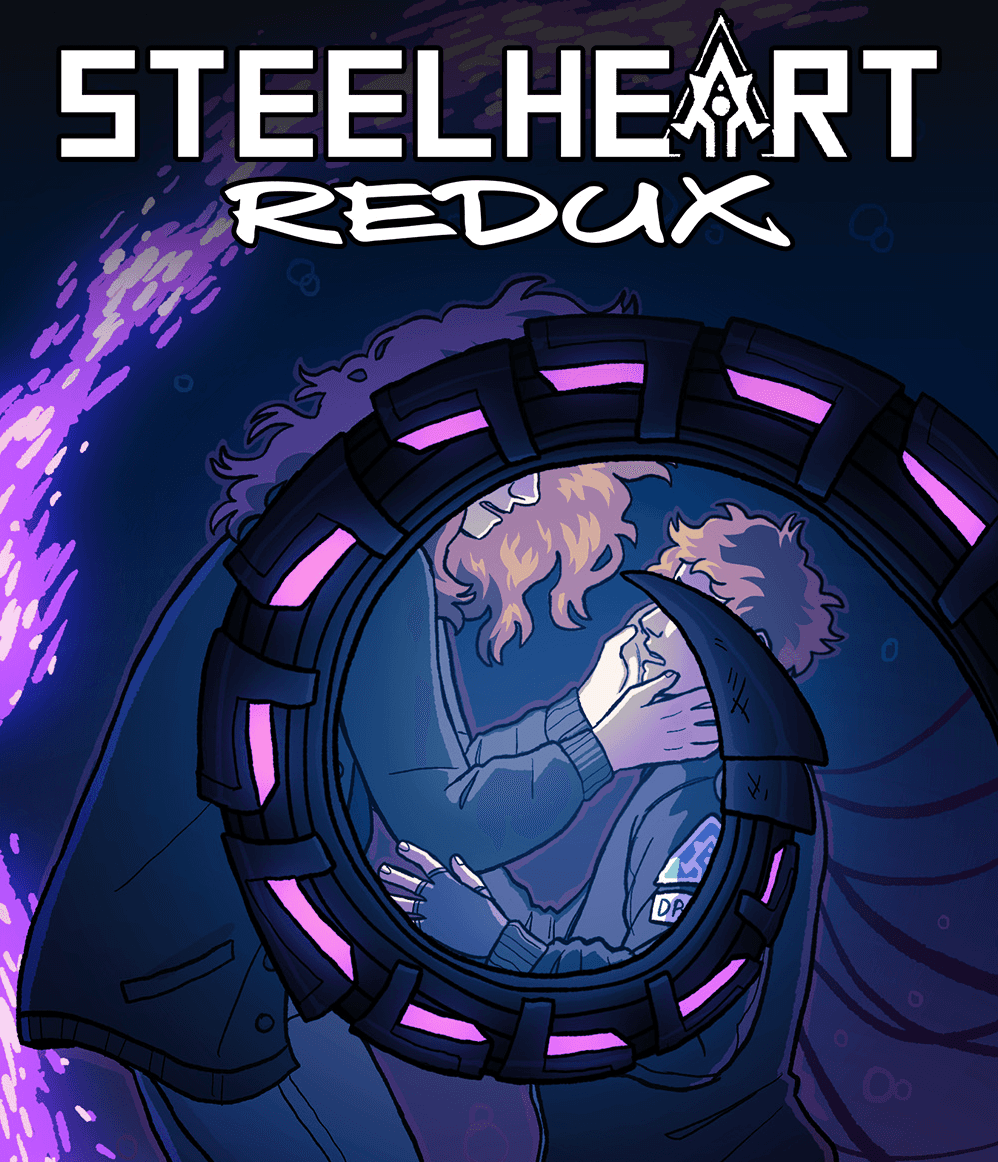
Steelheart Redux
Sci-fi action-adventure webcomic (Currently 200+ pages) about a boy and a sentient robot dragon uncovering the legacy of mechanized war. Independently managed story, worldbuilding, character design, illustration, and serialized production,
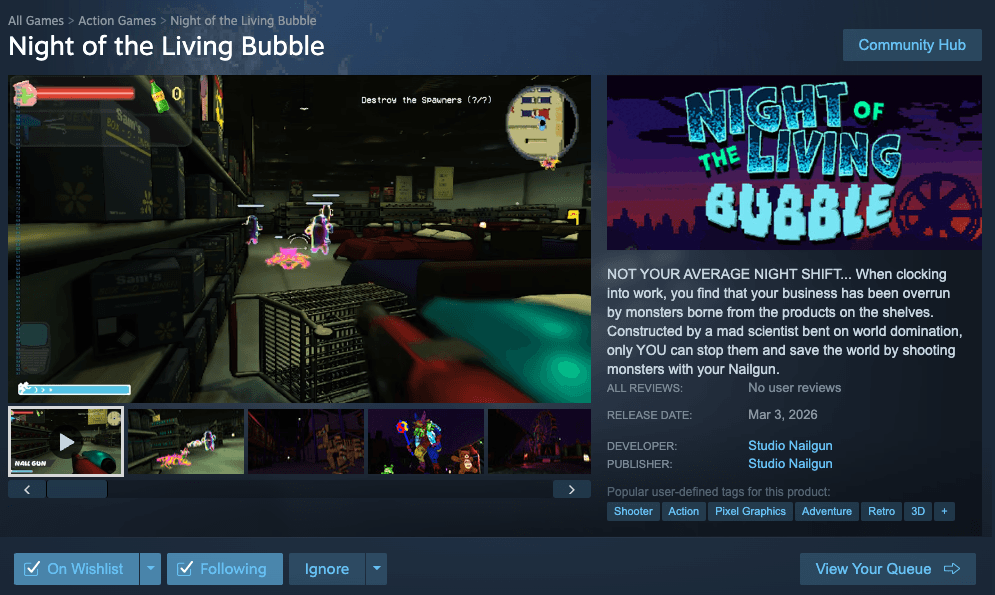
Night of the Living Bubble
Global GameJam 2025 - First-person-shooter following a cashier at a home goods store who must wield a nail gun to defend his workplace and beyond from the machinations of an evil scientists and her beastly creations. Made in Unreal Engine 5.4.
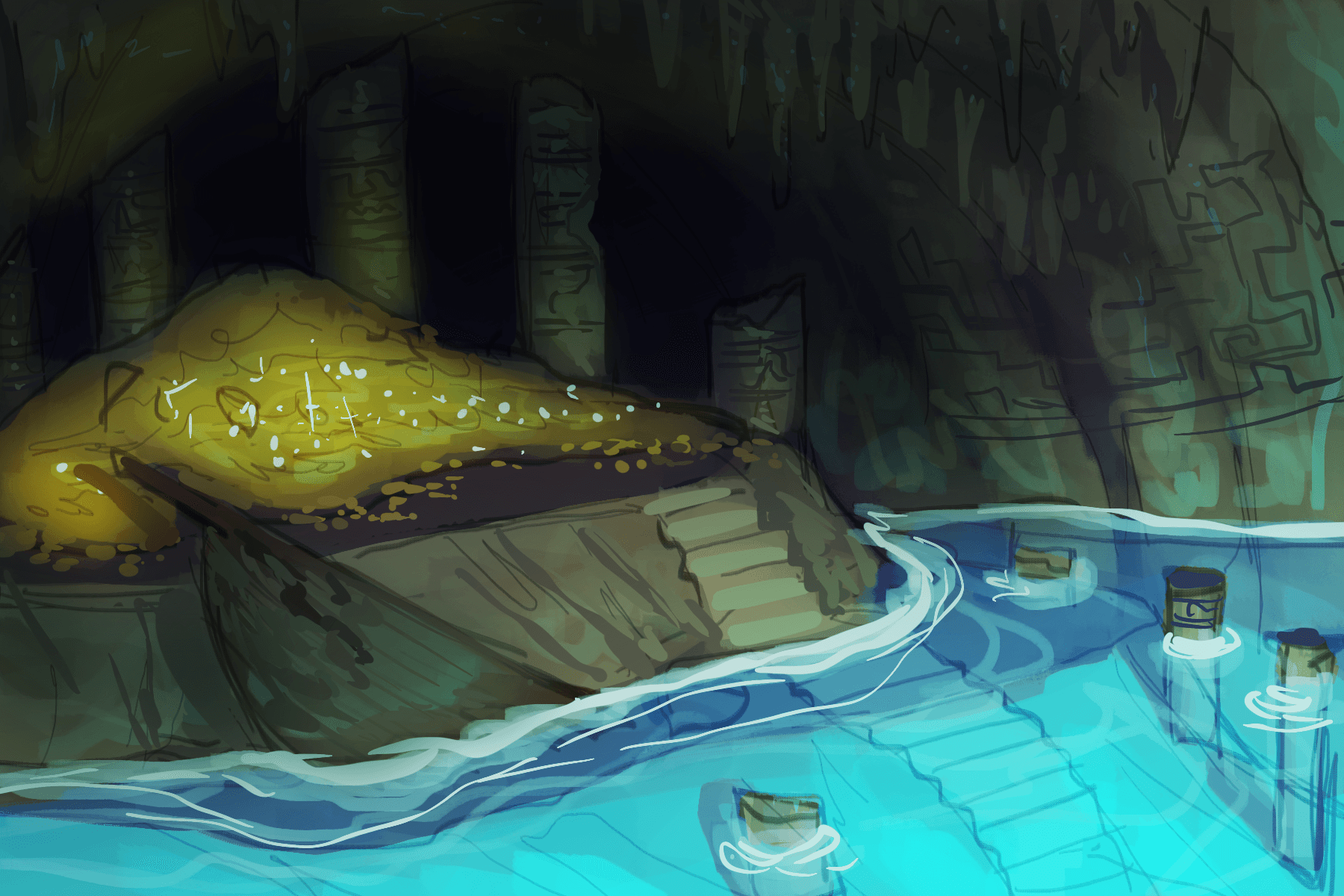
Other Game Jam Projects
Metamorph, Treeversal and Eye Love You from past GGJs
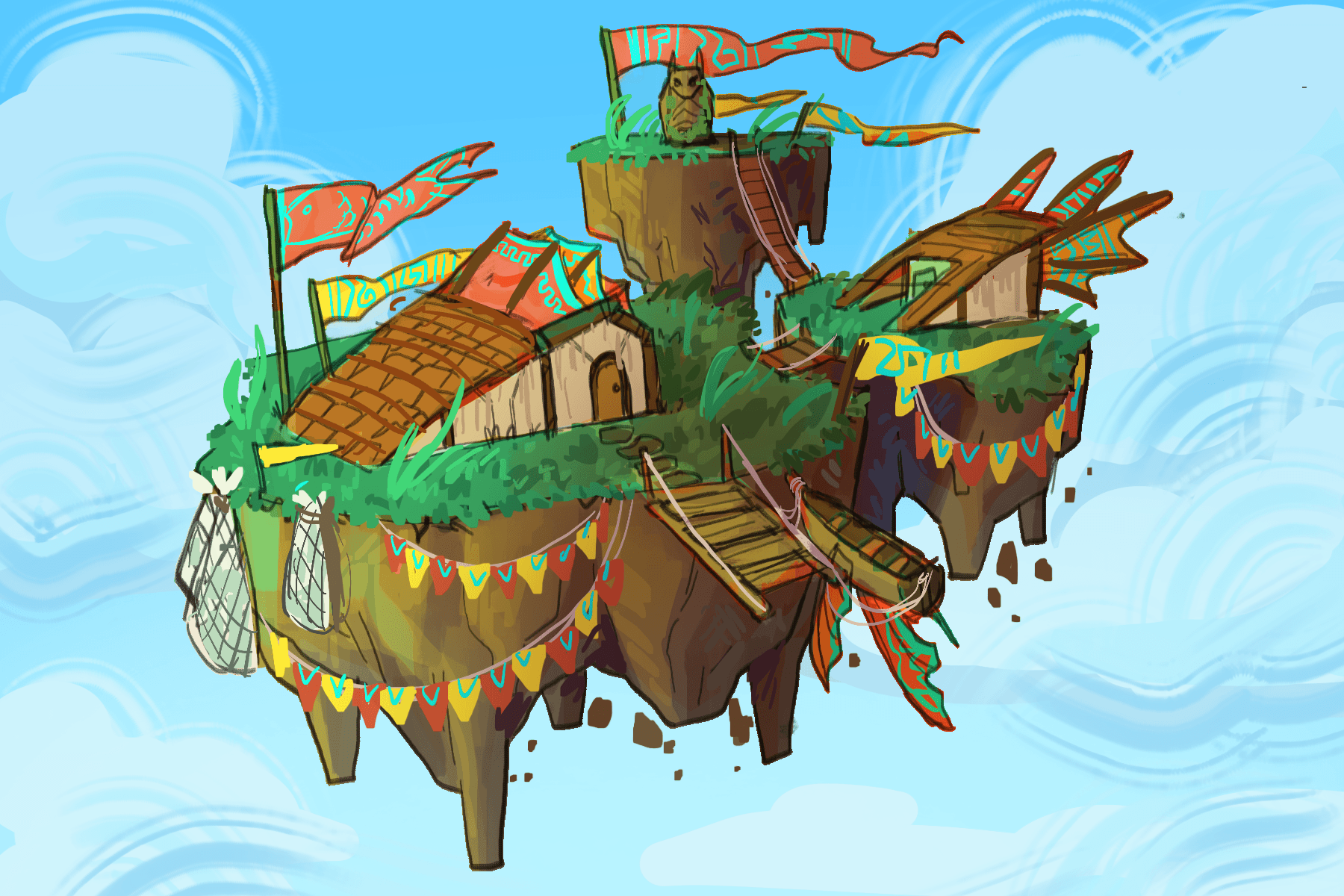
SCAD Classwork
Various SCAD Game Dev Program Classwork
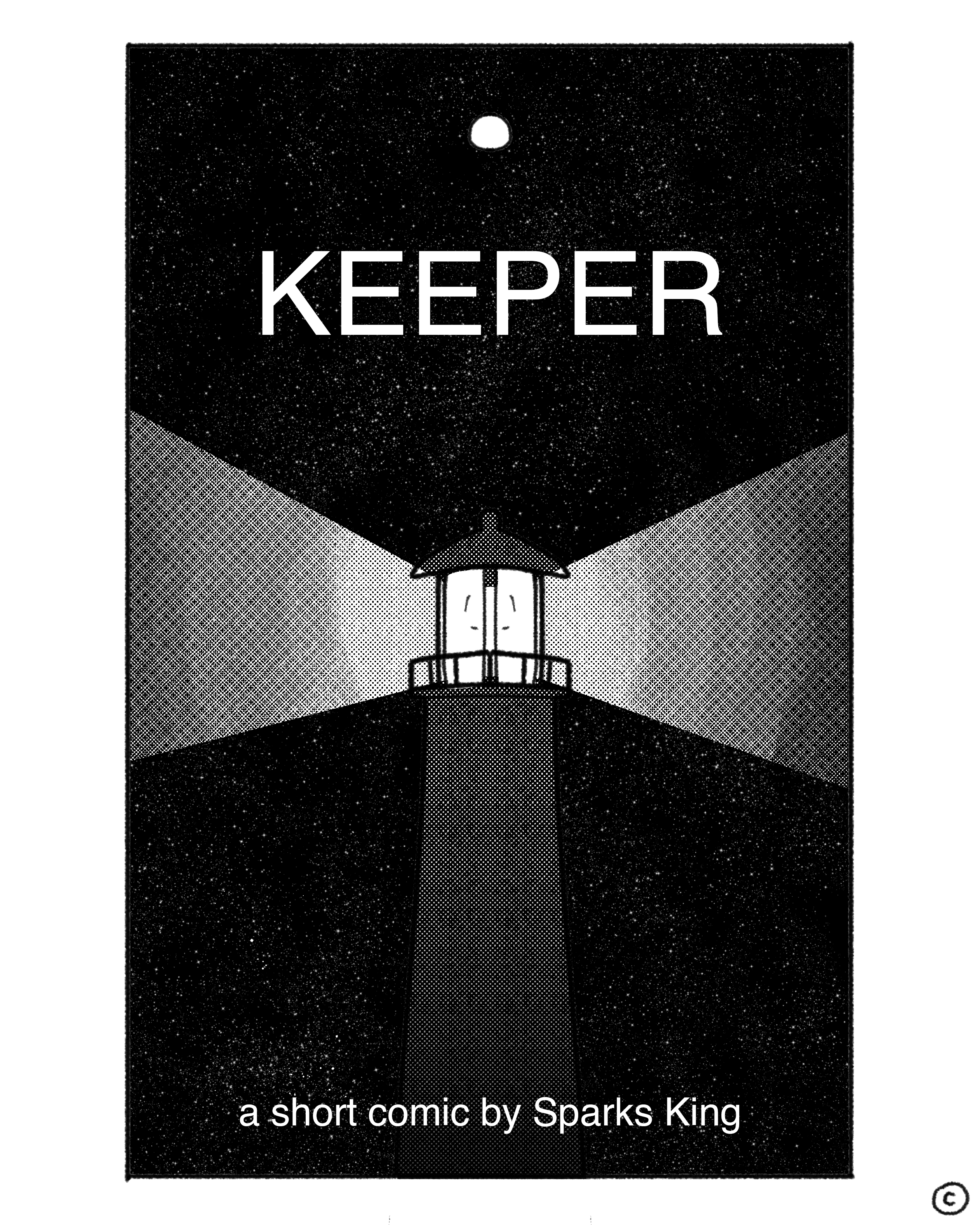
Keeper
Short Narrative Comic · SCAD Generate 24-Hour Comic Challenge: A lone robot encounters an angel and uncovers the truth about a world that has already ended.
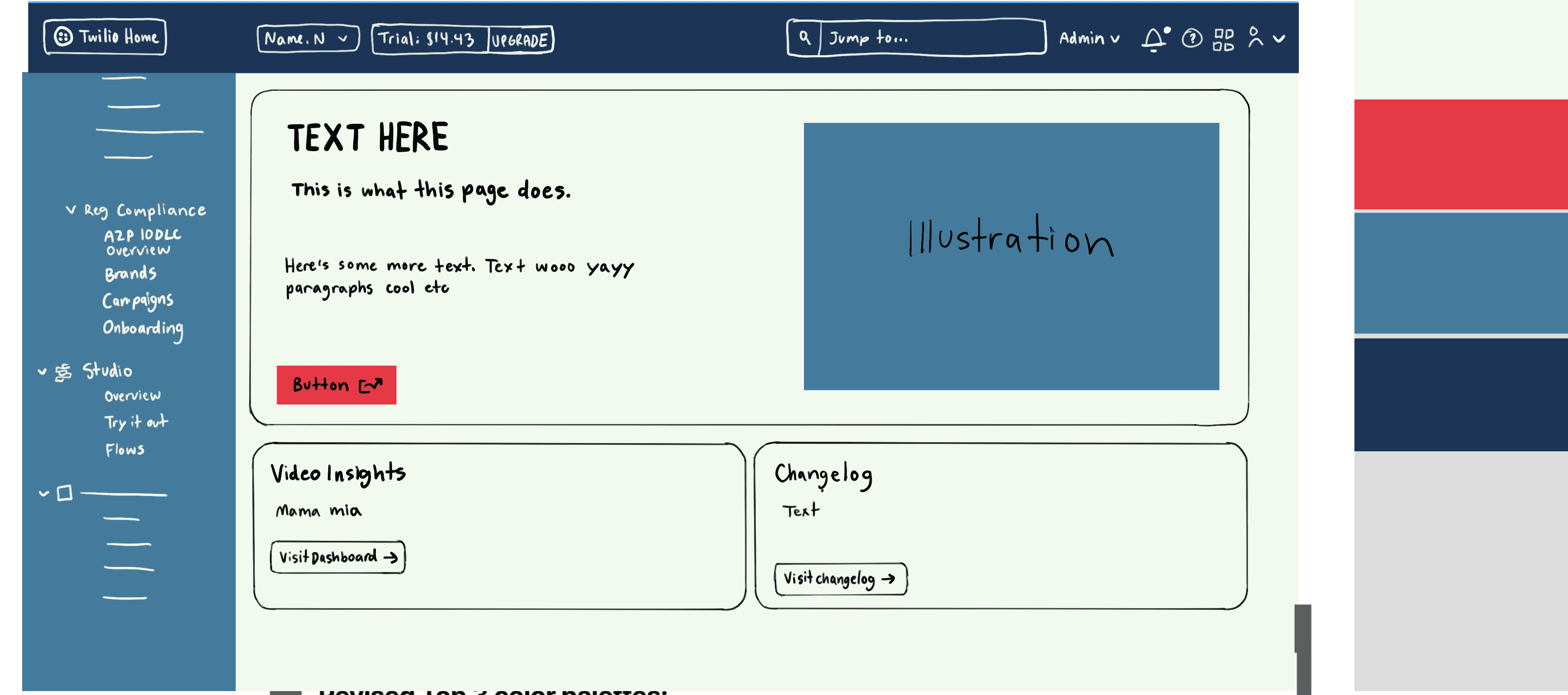
SCADPro: Twilio
Industry-Sponsored SCADPro Project for UX/UI and related Branding
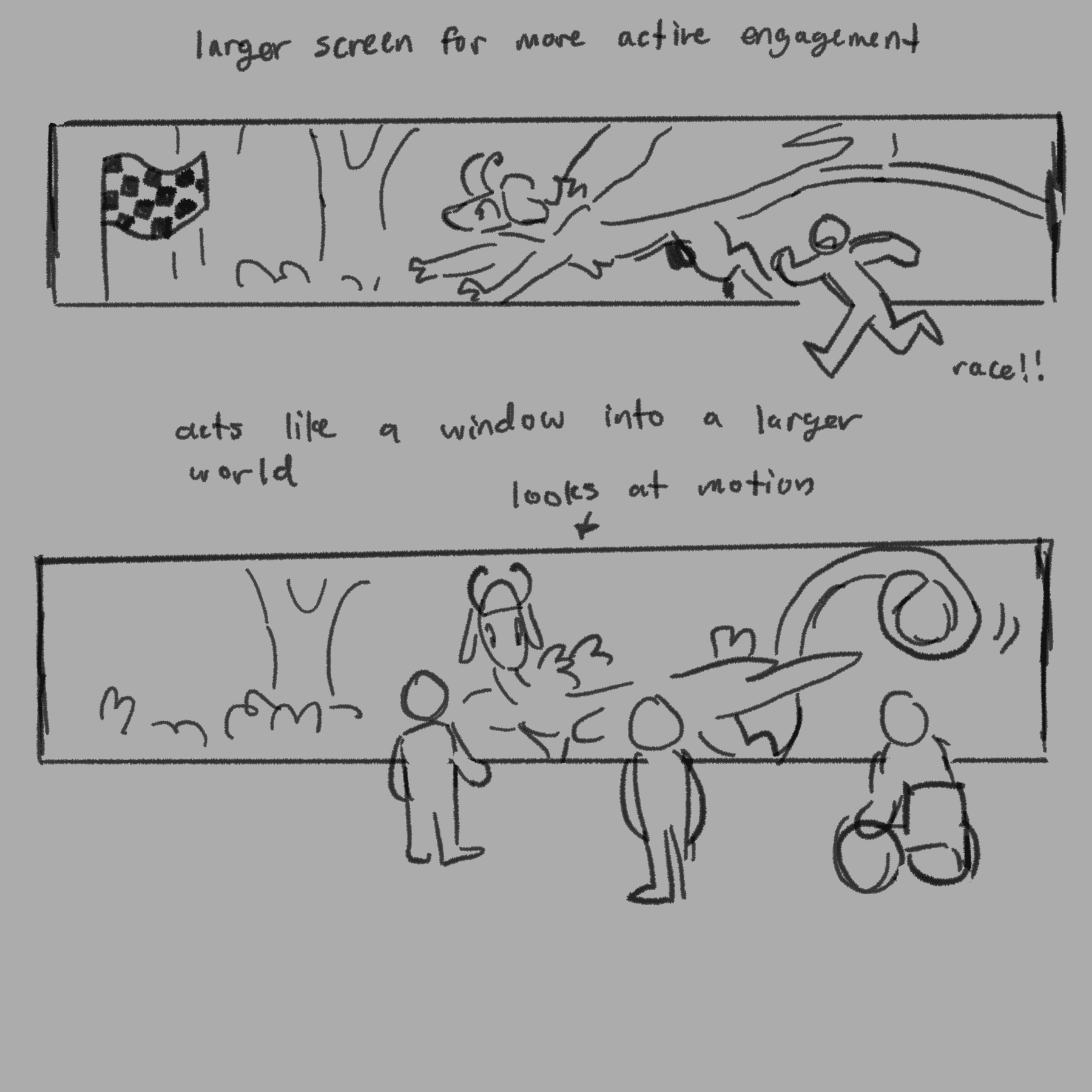
SCADPro: Ronald McDonald House
Industry-Sponsored SCADPro Collaboration for Interactive Playspace